
Toddlers are busy learning, growing, and exploring every day—and they need sufficient nutritional support to fuel their endless energy. In fact, did you know young children ages one to three need approximately 1,000-1,400 calories daily to drive their growth and development?
While healthy, balanced meals go a long way toward meeting that nutritional goal, snacks also play a vital role by supplementing toddlers’ diets at home, at daycare, and on the go.
Understanding Your Child’s Nutritional Needs
Developed by the USDA and the U.S. Department of Health and Human Services, MyPlate offers guides, activities, and other resources focused on healthy nutrition for children ages two and older. Families can even keep an eye out for the MyPlate icon on food packaging, menus, and websites to help guide smart food choices and ensure children eat a variety of foods while encouraging the right amount of calories and fat.
MyPlate divides food groups into the following five categories:
There are so many ways to fuel the day with snacks sure to make your toddler smile! We’ve gathered some of our favorite recipes below that check all the boxes: fun, nutritious, and easy to prepare and pack for daycare.
Note: Remember to check the policies of your child’s daycare when it comes to bringing nut-based items to school.
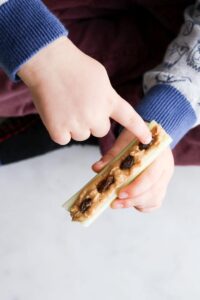
Create your log base with raw vegetables such as carrots, cucumbers, or celery, or fruits such as bananas, apples, or peaches.
Spread with nut butter, cream cheese, hummus, or yogurt.
Drizzle on the “ants” with raisins, dried fruit, berries, nuts, or seeds.
Keep it simple with classic cheese and crackers that provide calcium and whole grains in toddler-friendly portions. String cheese and cheddar cubes are great to grab quickly with a handful of whole wheat crackers.
A yogurt parfait tastes like a treat while delivering key nutritional benefits through bone-building calcium and probiotics for gut health.
Start with a quarter cup of whole milk or Greek yogurt. Top with a serving of fruit—such as fresh or frozen berries or applesauce—and then add another quarter cup of yogurt. You can also add in chia seeds or shredded coconut, or add some granola, dry cereal, or crumbled graham crackers to finish it off with a fun crunch.
Homemade muffins are a great way to pack some hidden vegetables and fruits into your toddler’s snack routine. We recommend mixing avocados and bananas into your favorite muffin recipe or try out this version for a make-ahead, freezer-friendly batch of ready-to-eat snacks.
It’s no secret that eggs are loaded with portable protein, but they’re also an incredible source of:
Hard-boiled eggs are easy to prep and slice into quarters for little hands.
Trail mix is a delicious snack that you can customize with your toddler’s favorite ingredients for anytime munching. Keep in mind that some small food items can be choking hazards for toddlers, and note any nut-free policies at your child’s school.
Experiment with options like O-shaped cereal, dried cranberries, and chocolate chips—or check out this recipe to help create your very own toddler trail mix.
Smoothies are a nutrient-packed way for your toddler to sip a refreshing treat throughout their busy day.
Start with simple ingredients like calcium-rich milk and banana, then add in fresh and frozen fruits like blueberries and strawberries. You can even sneak in some hidden vegetables like spinach or kale, or up the fiber and protein with chia seeds and oats.
Power up an everyday slice of whole wheat toast with fresh avocado that delivers essential nutrients like folate and potassium, plus fiber and healthy omega-3 fatty acids, all beneficial for brain development and general toddler health. Slice it up and sprinkle with salt or light seasoning for extra flavor.
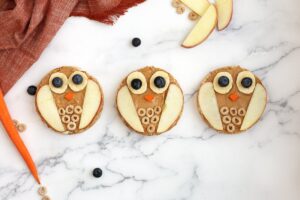
Rice cakes provide a gluten-free base for endless, simple toppings that can turn a snack into an animal adventure! Experiment with nut butter, hummus, or avocado, and top with sliced fruits and veggies, seeds, raisins, or cereal to create fun, edible creatures. Check out this owl rice cake recipe for inspiration!
Make-ahead recipes are ideal for busy families trying to keep their toddler’s healthy diet on track. These no-bake energy bites let your toddler join in on some easy meal prep and will keep you stocked with healthy treats to grab on the go.
While every child has different nutritional needs due to individual considerations such as overall health, height, weight, age, and dietary restrictions, experts recommend toddlers eat roughly 1,000-1,400 calories per day. Keep in mind, finicky eaters might vary their intake throughout a given week.
At Ducklings Early Learning Center, we partner with families to reinforce healthy eating habits throughout toddlers’ busy days—at home, at school, and on the go. Nutrition is key to development and growth at this young age, and we love exploring new ways to incorporate tasty snacks that ensure kids are getting the fuel they need every day.
Schedule a tour to learn more about our comprehensive approach to supporting early childhood learning and development.